
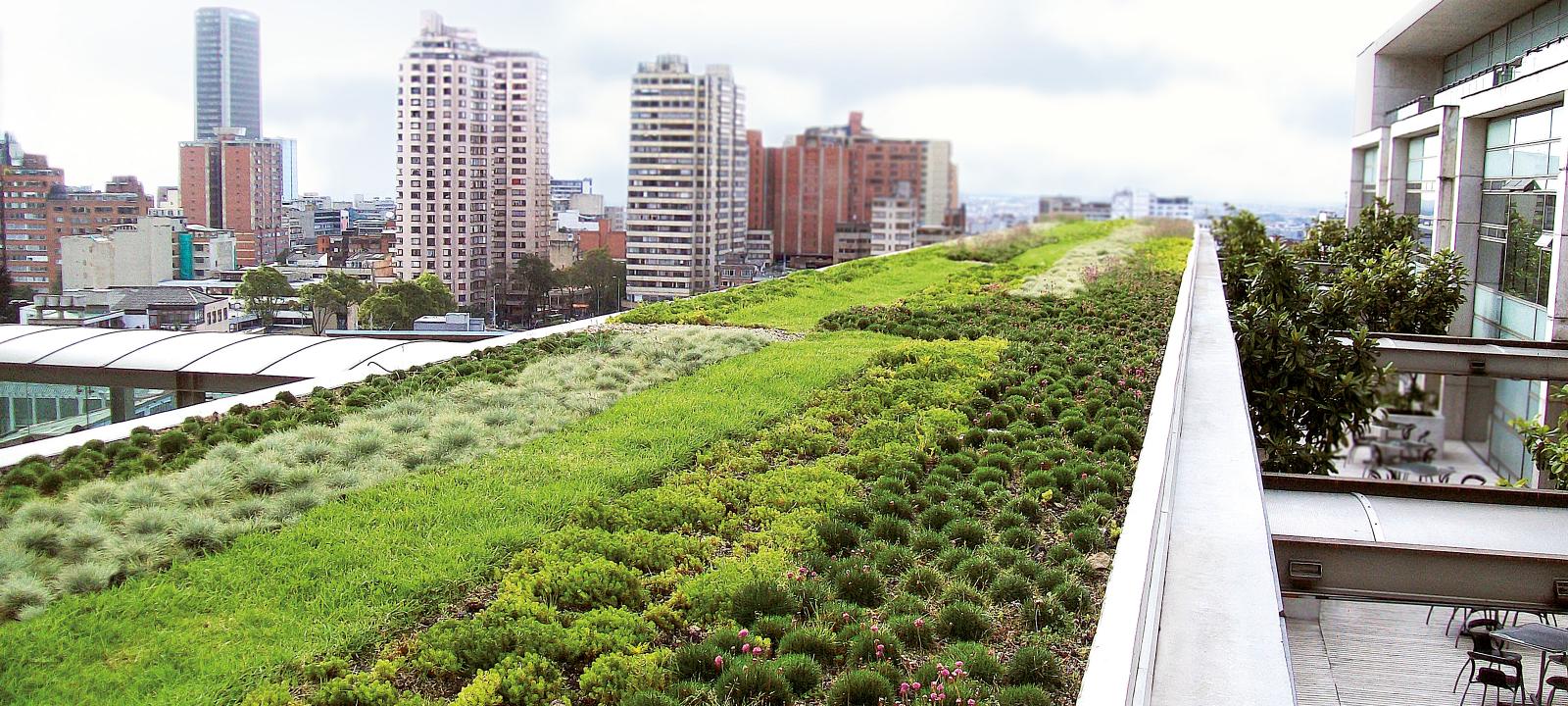
Green roofs are increasingly recognized as multifunctional urban infrastructure, offering ecological, environmental, and energy performance benefits. In Nordic climates, characterized by long winters, low temperatures, freeze thaw cycles, and seasonal daylight variation, the long term performance of green roofs requires dedicated investigation. This study focuses on evaluating both biodiversity outcomes and thermal insulation effects of green roofs over an extended period in Nordic regions.
From a biodiversity perspective, green roofs can serve as valuable habitats within densely built environments where natural green spaces are limited. Over the long term, properly designed green roofs can support diverse plant communities, insects, pollinators, birds, and microorganisms. In Nordic climates, native and cold tolerant species play a crucial role in sustaining ecological balance. A long term study allows researchers to observe species establishment, succession, seasonal variation, and resilience to harsh winter conditions. It also enables assessment of how substrate depth, plant diversity, moisture retention, and roof orientation influence biodiversity outcomes across multiple years.
The insulation performance of green roofs is particularly relevant in cold climates where buildings face high heating demands. Vegetation layers, growing media, and retained moisture contribute to increased thermal resistance and reduced heat loss during winter. Snow accumulation on green roofs may further enhance insulation by acting as an additional thermal layer. Long term monitoring is essential to understand how insulation performance evolves as vegetation matures, substrates compact, and drainage systems age. Measurements typically include indoor and outdoor temperature differentials, heat flux, and seasonal energy consumption patterns.
A combined analysis of biodiversity and insulation effects provides insight into potential synergies and trade offs. For example, thicker substrates and higher plant diversity may improve habitat quality while also enhancing thermal performance. However, these designs may introduce higher structural loads and maintenance requirements. Long term data helps identify optimal design configurations that balance ecological benefits, energy efficiency, and structural feasibility in Nordic contexts.
The study also considers climate change impacts, such as warmer winters, increased precipitation, and more frequent freeze thaw events. These factors may alter plant survival rates, species composition, and insulation performance over time. Long term monitoring enables adaptive design strategies that ensure green roofs remain effective under evolving climatic conditions.
In conclusion, a long term study on the biodiversity and insulation effects of green roofs in Nordic climates provides critical evidence for sustainable urban planning and building design. By demonstrating how green roofs perform ecologically and thermally over time, the research supports informed policy making, improved building standards, and wider adoption of nature based solutions in cold climate cities.